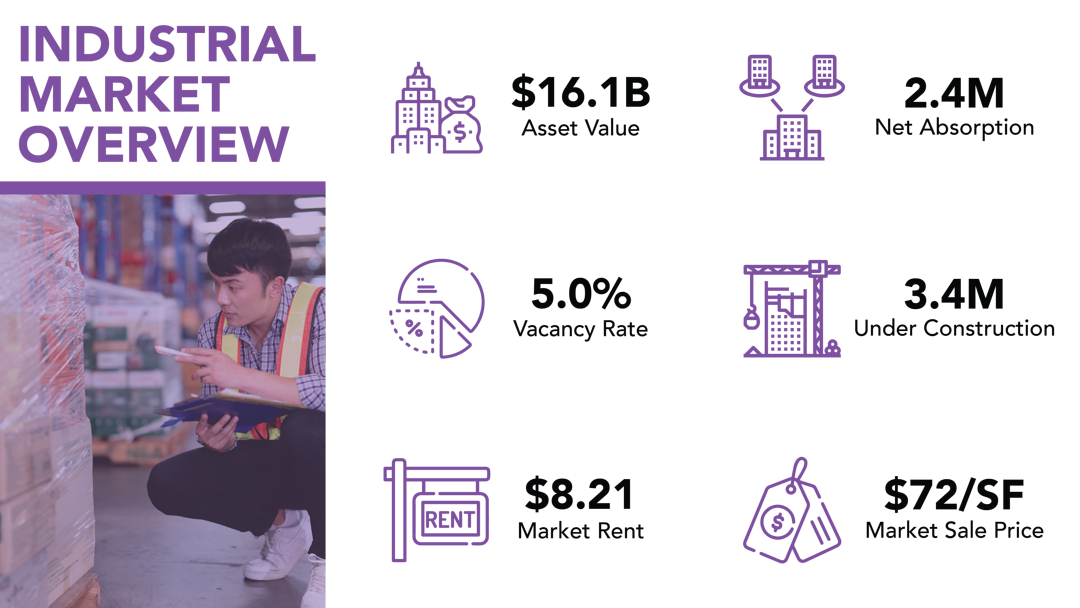


While commercial real estate struggles in general, the industrial sector is changing and growing. Our world changed significantly during and following the pandemic. Shopping in brick-and-mortar stores has taken a back seat to online shopping and companies had to evolve in order to stay viable. Nationally, e-commerce seems to be driving the demand for more and larger industrial space.
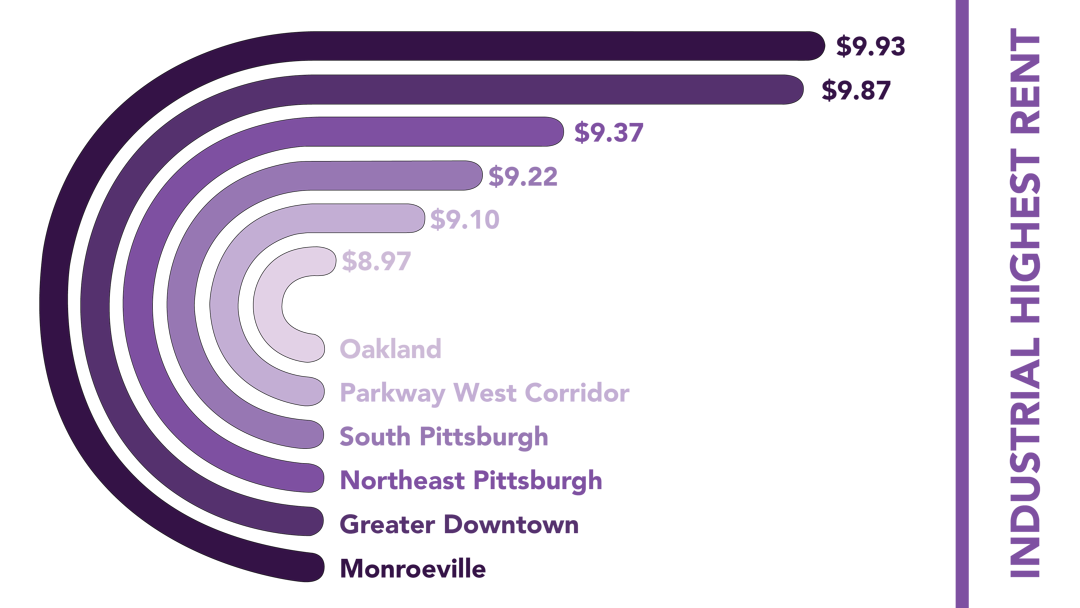
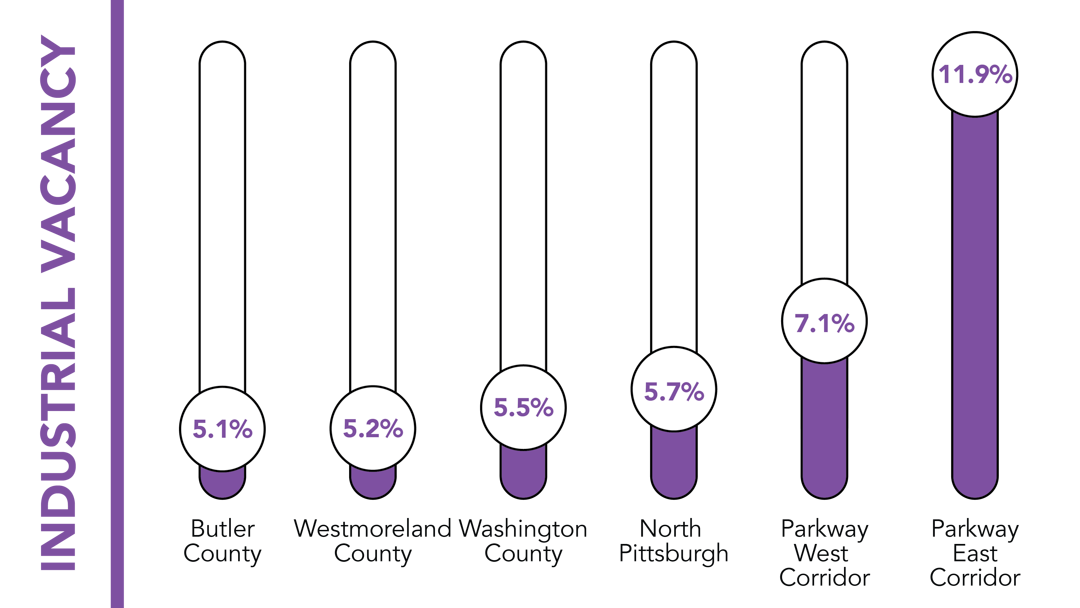
Pittsburgh is no different. Following that national trend, continued demand and limited delivery of supply are keeping the local industrial market on an even keel. And, although rent growth has been modest, Pittsburgh’s industrial net absorption has increased over pre-covid numbers. Overall, the industrial sector in Pittsburgh is in a good place, all things considered.
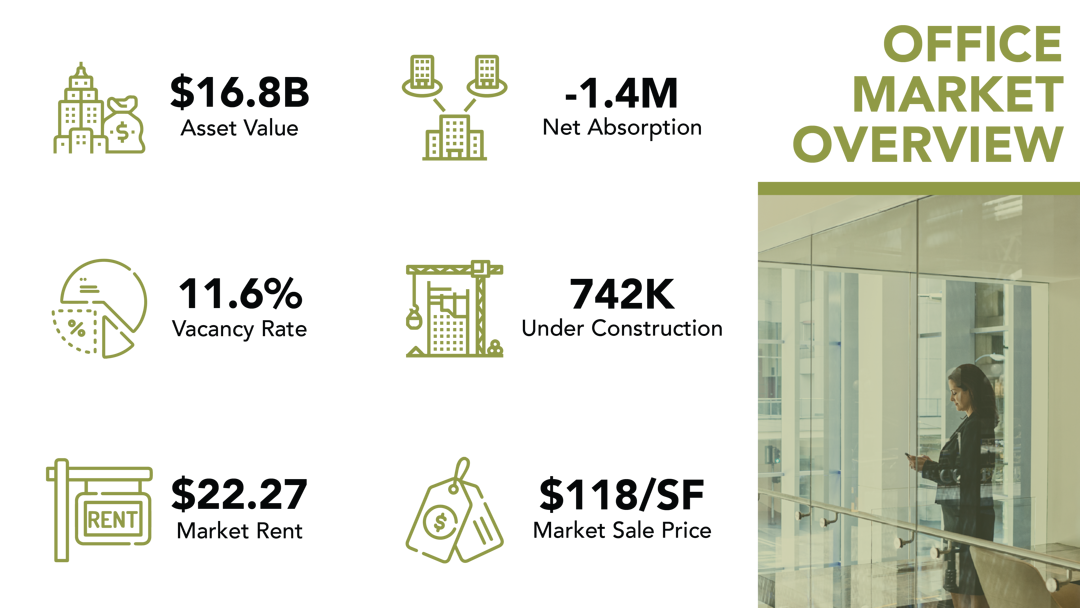
Unfortunately, the same cannot be said for the commercial real estate office market in most United States markets. As has been the case for months, companies continue to re-evaluate their office space requirements. Businesses, in general, seem to be delaying making any long-term decisions, but particularly those regarding commercial real estate. Employees still want to work from home and employers seem to be accommodating that request. While there are a few businesses that are mandating a return to the office, most have settled on a hybrid work schedule. Of course, this results in the perceived need for less space.
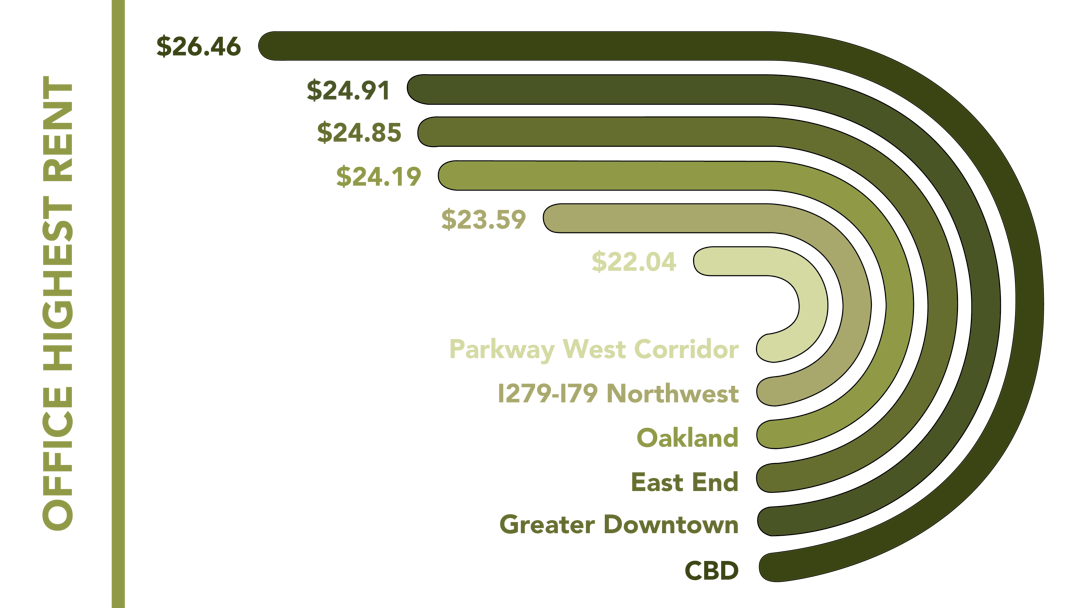
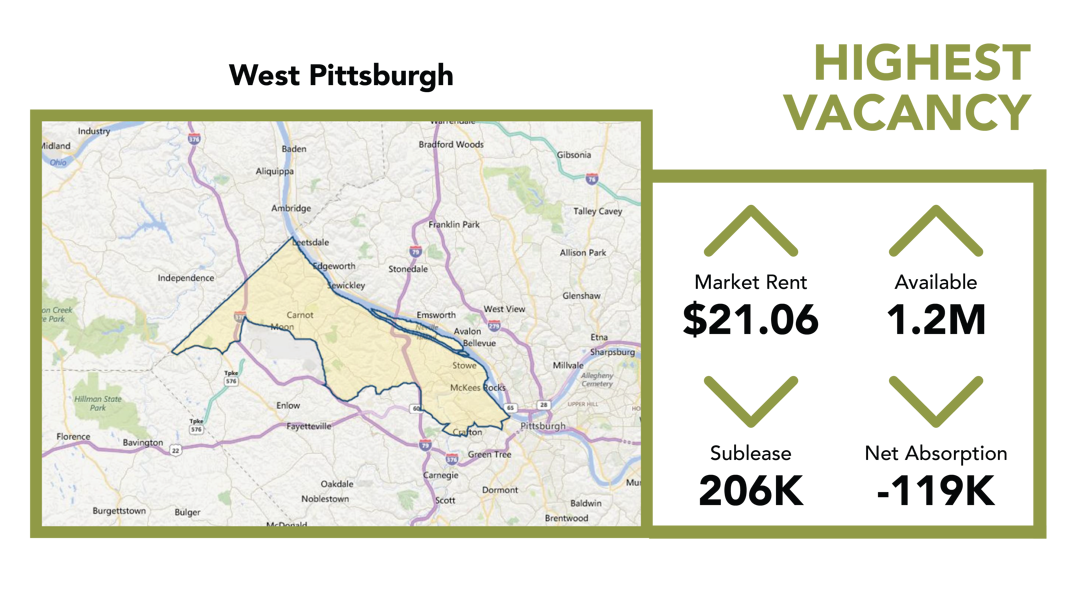
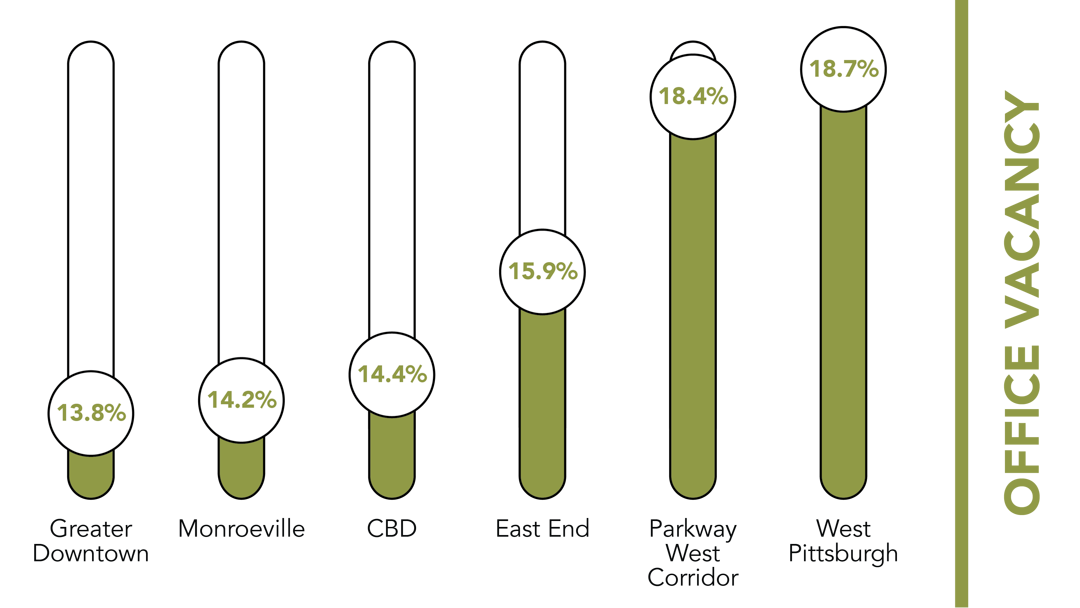
And, as is the case with industrial real estate, Pittsburgh has joined this national trend. As a result, vacancy continues to increase, though not as much as might be expected because of limited new office development. Rental rates have continued to grow, minimally. Instead of decreasing rental rates, landlords are offering free rent and tenant improvements, provided the prospective tenant has good credit is willing to commit to a seven- to ten- year term.
On the flip side, prospective tenants are looking for short-term leases but continue to want beautiful spaces full of and near to amenities. They want employees to want to come to the office and are using amenities to lure them back. But they don’t want to spend money leasing space that never gets used. Short-term leases are the solution, from their perspective, because it provides maximum flexibility, and they are still hoping against hope that their employees will return to the office full-time.
This may be a simplification of what is happening in our market, but it generally seems to be playing out repeatedly. It’s been an interesting dynamic to observe. Landlords want long-term commitments and tenants want short-term commitments. However, we are guessing that things will soon change as the office market vacancy continues to plague building owners. We are just not sure who will win this dilemma!